Source Camping Mat for Hiking, Picnic, and Campus Use
Explore 30 verified options for a camping mat featuring waterproof and anti-theft designs. Buyers can compare models like MK-6823 and KG6114, noting variations in material, size, and packing to find the right fit for outdoor activities; compare the available evidence and request quotations based on your requirements.
Key considerations
Products List


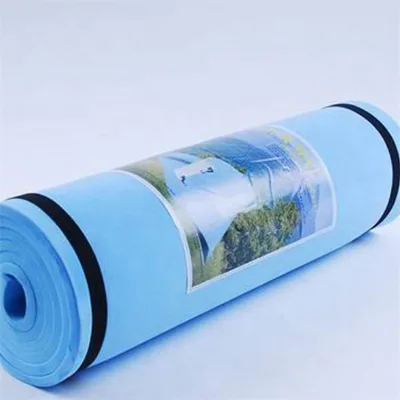
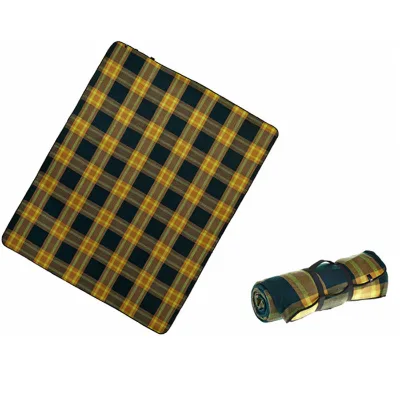


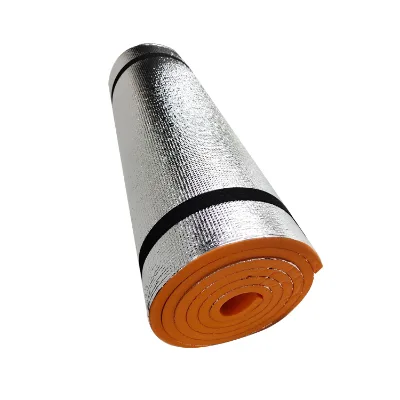


Comprehensive Sourcing Guide
Camping Mat Sourcing Guide
Sourcing camping mats requires a disciplined approach to balancing portability, insulation, and durability against budget constraints. Buyers must navigate a fragmented market where product attributes vary significantly, from waterproof woven fabrics to soft, open-foaming mats. The observed data indicates a wide range of customization options, including logo acceptance and specific packing requirements, which are critical for private-label projects. Understanding these variables early prevents costly mismatches between supplier capabilities and end-user expectations.
Procurement teams should prioritize verification of material composition and dimensional standards before committing to volume orders. The supply base includes origins in China with models ranging from simple polyester sheets to complex inflatable designs. Each type presents distinct logistical challenges, such as weight limits and fold sizes, which directly impact shipping costs. Establishing clear technical requirements upfront ensures that suppliers provide accurate quotations and samples that meet the specific operational needs of outdoor activities like hiking or campus use.
Product Scope and Observed Listing Signals
The current market landscape for camping mats reveals a diverse array of product types, including picnic blankets, anti-theft designs, and specialized hiking gear. Listings show a price range of $0.45 to $15.59 USD, reflecting variations in material quality and feature sets. Minimum order quantities (MOQs) span from 5 to 3,000 units, offering flexibility for both small-scale trials and large industrial purchases. Buyers should note that while some products claim waterproofing, others are explicitly labeled as not waterproof, necessitating careful review of product descriptions to avoid functional mismatches.
Observed attributes highlight significant customization potential, with suppliers offering options for color, shape, and style. Common colors include orange, green, black, and blue, while shapes range from rectangles to squares. The craft is predominantly woven, though materials vary from leather to 210t polyester. These signals suggest that buyers can tailor products to specific branding or functional needs, such as selecting a soft hardness for comfort or a partial hard structure for support. Understanding these signals helps in filtering suppliers who can meet specific aesthetic and performance criteria.
Technical Specifications to Verify
Dimensional accuracy and material thickness are critical technical parameters that must be verified through sample testing. Observed standards include sizes such as 50x50x5.5 cm, 1x1.4m, and 190x60x6cm, with thicknesses ranging from 0.8 cm to 6 cm. Buyers should confirm that the listed dimensions match the actual product, especially for inflatable mats that rely on external pumps. The fold size, observed at 28x10x10 cm for a 190x60x6 cm mat, is a key indicator of portability and storage efficiency, which is vital for hiking and outdoor activities.
Weight and packing specifications also play a crucial role in logistics and user experience. Products weigh as little as 0.1 kg to as much as 650 g, with packing methods including boxes, PP bags, PVC bags, and shrink wrap. Buyers must verify that the packing method protects the mat during transit and meets customer expectations for unboxing. Additionally, the dampproof mat type, such as open foaming, should be assessed for its insulation properties and durability. Ensuring these technical details are consistent across the order prevents discrepancies in product performance and customer satisfaction.
Compliance and Safety Documentation
While specific certification statuses are not explicitly detailed in the observed data, buyers should request documentation for relevant safety and quality standards. Trusted category knowledge suggests that materials like polyester and foam may require compliance with flammability and chemical safety regulations, depending on the target market. Buyers should verify if suppliers adhere to ISO 9001 or other recognized quality management systems, although this should be treated as a background indicator rather than a guaranteed fact. Requesting test reports for material safety ensures that products are safe for direct skin contact and outdoor use.
Documentation should also cover environmental and recycling claims if applicable, especially for products made from synthetic materials. Buyers must ensure that suppliers provide accurate material composition statements, such as the use of 210t polyester or leather, to avoid misrepresentation. Clear labeling of product features, such as waterproofing or anti-theft designs, should be supported by evidence or testing data. This diligence helps in maintaining brand integrity and avoiding regulatory penalties in international markets.
Cost Drivers and Commercial Terms
Costs for camping mats are influenced by material selection, customization levels, and order volume. The observed price range of $0.45 to $15.59 USD reflects these variables, with higher prices likely associated with complex features like inflatable designs or premium materials. Buyers should analyze the cost breakdown to understand the impact of customization, such as logo printing or specific color choices, on the final unit price. Negotiating volume discounts is essential, especially given the wide MOQ range from 5 to 3,000 units.
Commercial terms, including payment methods and shipping arrangements, should be clearly defined in the contract. Packing specifications, such as box, PP, or PVC bag, affect packaging costs and shipping efficiency. Buyers should consider the total landed cost, including freight and duties, when evaluating supplier quotes. Understanding the lead times and production capacity of suppliers is also crucial for managing inventory and meeting market demand. Transparent commercial terms help in avoiding hidden costs and ensuring a smooth procurement process.
Supplier Qualification and Quality Control
Supplier qualification involves assessing their production capabilities, quality control processes, and responsiveness to customization requests. Buyers should verify the supplier’s origin, with China being a common source, and evaluate their experience in manufacturing camping mats. Requesting references or case studies can provide insights into their reliability and consistency. Quality control should include pre-production sample approvals and in-line inspections to ensure that products meet the specified technical and aesthetic requirements.
Regular audits and performance reviews are essential for maintaining supplier quality over time. Buyers should establish clear quality metrics, such as dimensional accuracy, material durability, and packing integrity, and monitor supplier performance against these metrics. Addressing any deviations promptly helps in preventing large-scale defects and maintaining customer satisfaction. Building a strong relationship with suppliers through clear communication and fair terms can lead to better cooperation and improved product quality in the long run.
Long-Term Procurement Checks
Long-term procurement success depends on continuous monitoring of market trends and supplier performance. Buyers should stay informed about changes in material costs, regulatory requirements, and consumer preferences for camping mats. Regularly reviewing supplier performance against established KPIs helps in identifying areas for improvement and making informed decisions about supplier relationships. Diversifying the supplier base can mitigate risks associated with single-source dependencies and ensure supply chain resilience.
Feedback from end-users and market analysis should be integrated into the procurement strategy to drive product innovation and improvement. Buyers should encourage suppliers to invest in research and development to enhance product features, such as improved insulation or easier portability. Maintaining open lines of communication with suppliers fosters collaboration and enables joint problem-solving. By focusing on long-term value creation, buyers can build a sustainable and competitive sourcing strategy for camping mats.
FAQs
What customization options are available for camping mats?
Customization is available for these camping mats, allowing buyers to request specific features. You can choose from various colors like orange, green, or black. Some models support customized logos, while others offer tailored packing solutions to meet your unique branding or logistical needs.
Which materials are used to make these camping mats?
The mats are constructed from materials such as leather and 210t polyester. These materials provide different levels of hardness, ranging from soft to partial hard. The choice of material influences the overall durability and comfort of the mat for various outdoor activities.
Can I find camping mats with specific waterproofing features?
Waterproofing features vary significantly across the available products. While some items are explicitly listed as waterproof, others are noted as not waterproof. Buyers should verify the specific product model and its feature list to ensure it meets their weather protection requirements.
What are the standard dimensions for the camping mats?
Standard dimensions include sizes like 190 by 60 by 6 cm or 180 by 60 by 1 cm. Other models come in sizes such as 1 by 1.4 meters or 1.4 by 2 meters. The thickness also varies, with some mats being 6 cm thick for added comfort.
How is the camping mat packed for shipping?
Packing methods vary by product model and include options like boxes, PP bags, PVC bags, or shrinkage packaging. Some items come with inserts and cartons, while others are packed in OPP bags. Customized packing solutions are also available according to customer requirements.
What is the minimum order quantity for these mats?
The minimum order quantity ranges from 5 units up to 3000 units depending on the specific product. Buyers can find options suitable for small trials or large bulk orders. The exact MOQ will depend on the selected model and its specific production constraints.
Are these camping mats suitable for outdoor activities like hiking?
Yes, several models are explicitly designed for outdoor activities such as hiking. They feature attributes like being lightweight, with some weighing only 0.1 kg. These mats are also suitable for shopping or campus use, offering versatility for different scenarios.